
Wednesday, July 1, 2026
Report: Benefits greatly exceed costs for Michigan battery factories
Report from Upjohn Institute finds total benefits of battery facilities in Michigan exceed incentive costs by about 55% ($880 million) across five major projects
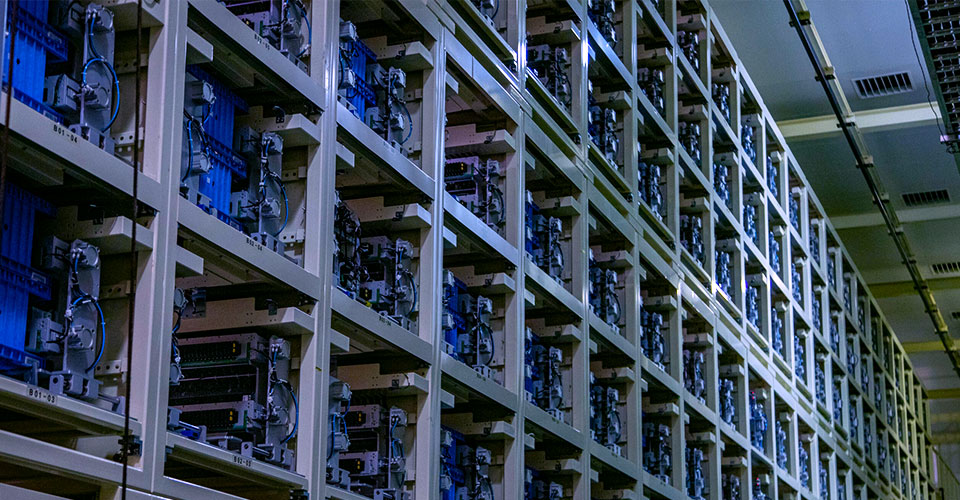
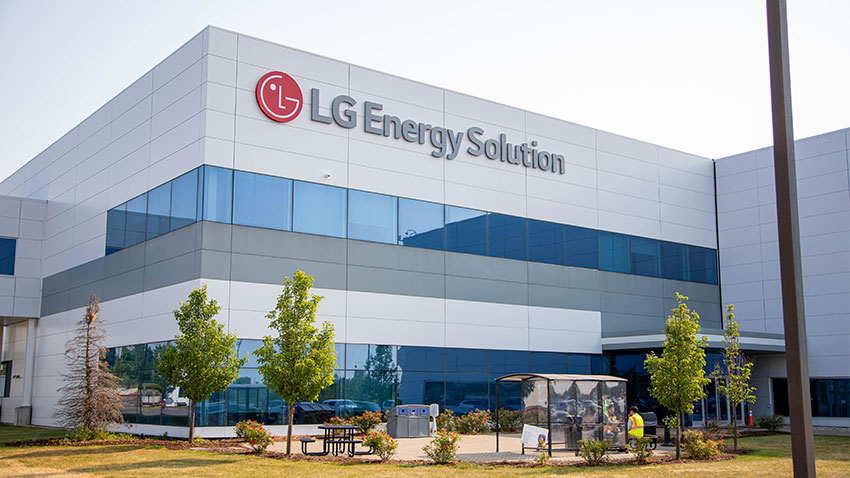
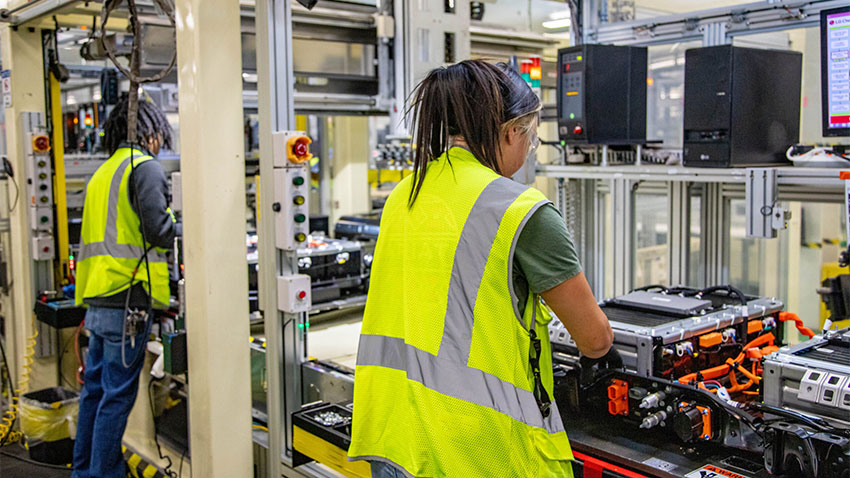
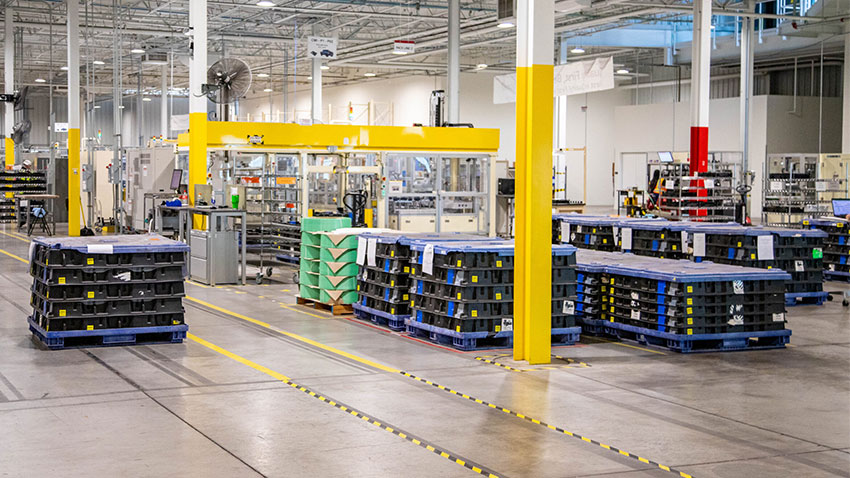
Photos courtesy of LG Energy Solution Michigan
Michigan’s battery manufacturing industry is charging ahead. The Ford BlueOval plant in Marshall is ramping up hiring; the LG Energy Solution (LGES) plant in Lansing is planning to start production in 2026 and agreed to sell $4.3 billion in energy storage systems to Tesla; and the LGES plant in Holland began production in June 2025, and signed a deal to sell $1.6 billion in energy storage systems to DTE Energy.
While these new facilities are creating thousands of jobs, boosting supply chains statewide and advancing U.S. national security by reducing reliance on foreign imports for critical energy resources, they were also made possible thanks to state incentives, and many received support through the bipartisan Strategic Outreach and Attraction Reserve (SOAR) Fund.
Are the benefits worth the costs? According to a June 2026 technical report from the W.E. Upjohn Institute for Employment Research in Kalamazoo, the answer is “yes.”
A team of researchers led by Timothy J. Bartik found a baseline benefit-cost ratio of 1.29 for the Ford BlueOval battery plant, 2.53 for the LGES battery plant in Lansing, and 2.23 for the LGES plant in Holland (Table 4, p. 39.) That means that, for example, every $1 in incentive cost for the Holland plant is creating $2.23 in benefit for Michigan residents and the local Holland community. The net benefit-cost ratio for all five Michigan projects analyzed was about 1.55, meaning that over the life of the projects, they expect benefits to exceed costs by 55% – about $880 million in “profit.”
The report looked at 50 large manufacturing and infrastructure projects in the advanced energy sector across the U.S. They found that 70% had net benefits, with a benefit-cost ratio higher than 1.
Benefits were mostly in the form of increased wages compared to what workers might have earned otherwise, and proportionally more of those benefits went to lower-income and middle-income residents – about twice as much as if the distribution of benefits matched the distribution of income.
The report also found that incentives were more effective when the projects were in communities able to respond more easily to housing demand, where the price of housing would be expected to rise less when population increases, and when contracts had strong clawback provisions, meaning that state funds could be pulled back and put to other uses if the company failed to meet the terms of its agreement.
For BlueOval and the LGES plants, local housing price elasticity ranged from 0.39 to 0.42, substantially lower than the national average of 0.648, meaning that a 1% increase in population would only increase housing prices by about 0.4% instead of 0.65%. The report specifically called out the value of Michigan’s clawback provisions and recommended even stronger contractual language in future agreements.
The researchers also remarked that “many projects face conditions outside of local and state government control” and “economic benefits peak between years 6–10 of the project, when job growth most strongly boosts per capita earnings.” As all three projects began in 2022-2023, their most significant benefits are yet to come.
With projects like these Michigan battery facilities, MEDC connects Michigan businesses with resources to secure investments that help them launch and grow, while also nurturing the communities around them. The evidence shows that this strategy works. We continue to adapt and respond to the needs of Michigan residents seeking prosperity, dignity and beauty in the places and spaces where they live, work and play. Learn more about the success of the MEDC’s strategy.